The Harness Is the Interface
As agents move from demos into production work, the most important design surface is becoming the runtime that scopes what they can see, touch, and explain.
The most interesting thing about agentic software right now is not the agent. It is the harness around the agent.
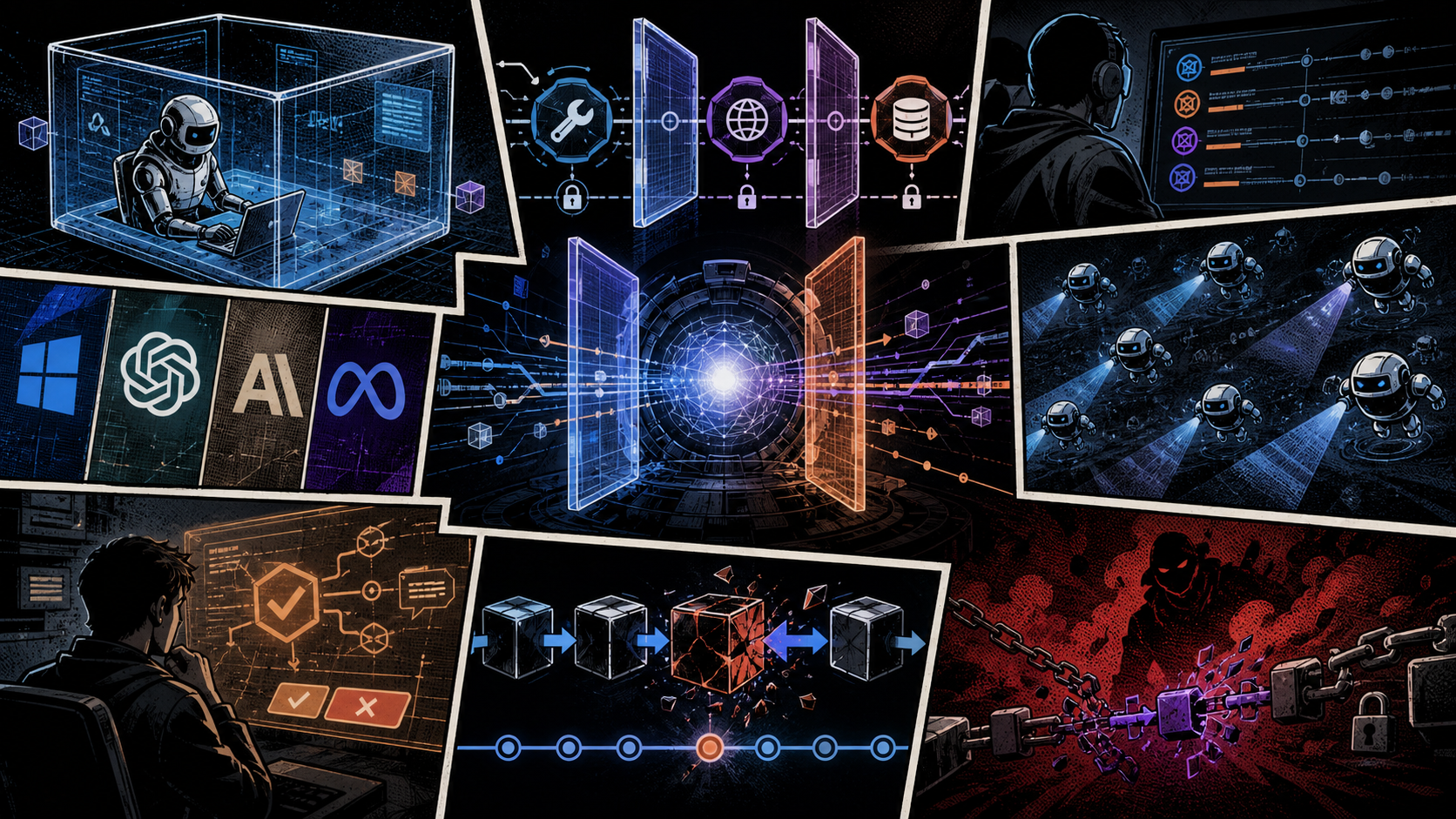
That became harder to ignore this week. VentureBeat reported on a cluster of AI supply-chain incidents touching OpenAI, Anthropic, and Meta release surfaces. Microsoft described MDASH, a Multi-Model Agentic Scanning Harness that coordinates more than 100 specialized agents for vulnerability discovery. And a new research paper, Auditing Agent Harness Safety, argues that many agent failures are invisible if we only score the final answer instead of the path the system took to get there. 123
Taken together, these are not separate stories about security, benchmarks, or model performance. They point to the same product shift: the durable layer is becoming the harness.
The model is not where the product ends
A chat model can answer a question. An agent can change the world around it. The moment software can call tools, browse repos, write files, touch credentials, route subtasks, or hand work to another model, the user is no longer interacting with a model alone. They are interacting with an execution environment. 3
That environment decides which tools are available, what context crosses a boundary, whether an action requires approval, how failures are retried, and what evidence remains after the work is done. In other words, the harness is not backend plumbing. It is part of the user experience. 3
Safety lives in the trajectory
The HarnessAudit paper makes a useful distinction: an agent can arrive at a benign final answer while violating intent, permissions, or information flow along the way. A final screenshot, response, or test result may look clean while the middle of the run was unsafe. 3
Product teams should take that seriously. If the interface only shows the outcome, it asks the user to trust a hidden process. The better pattern is trajectory-aware design: show the plan, the boundaries, the tool calls, the approvals, and the places where the system stopped itself. 3
Harnesses need taste, not only controls
It is tempting to describe this as a security checklist: sandboxing, scopes, audit logs, allowlists, rate limits. Those controls map directly to the risks surfaced in recent supply-chain reporting and harness-safety research: unauthorized resource access, context leakage, release-surface exposure, and failures that only appear mid-run. 13
But a usable harness also needs taste. Too many prompts and the user stops reading. Too little friction and the system feels uncanny. Too much logging and no one can find the one event that matters.
The design problem is deciding what should be visible at each moment. A developer needs a different view than a manager approving a payment. A vulnerability scanner needs a different surface than a research assistant. The harness should make agency legible without turning every run into a courtroom transcript.
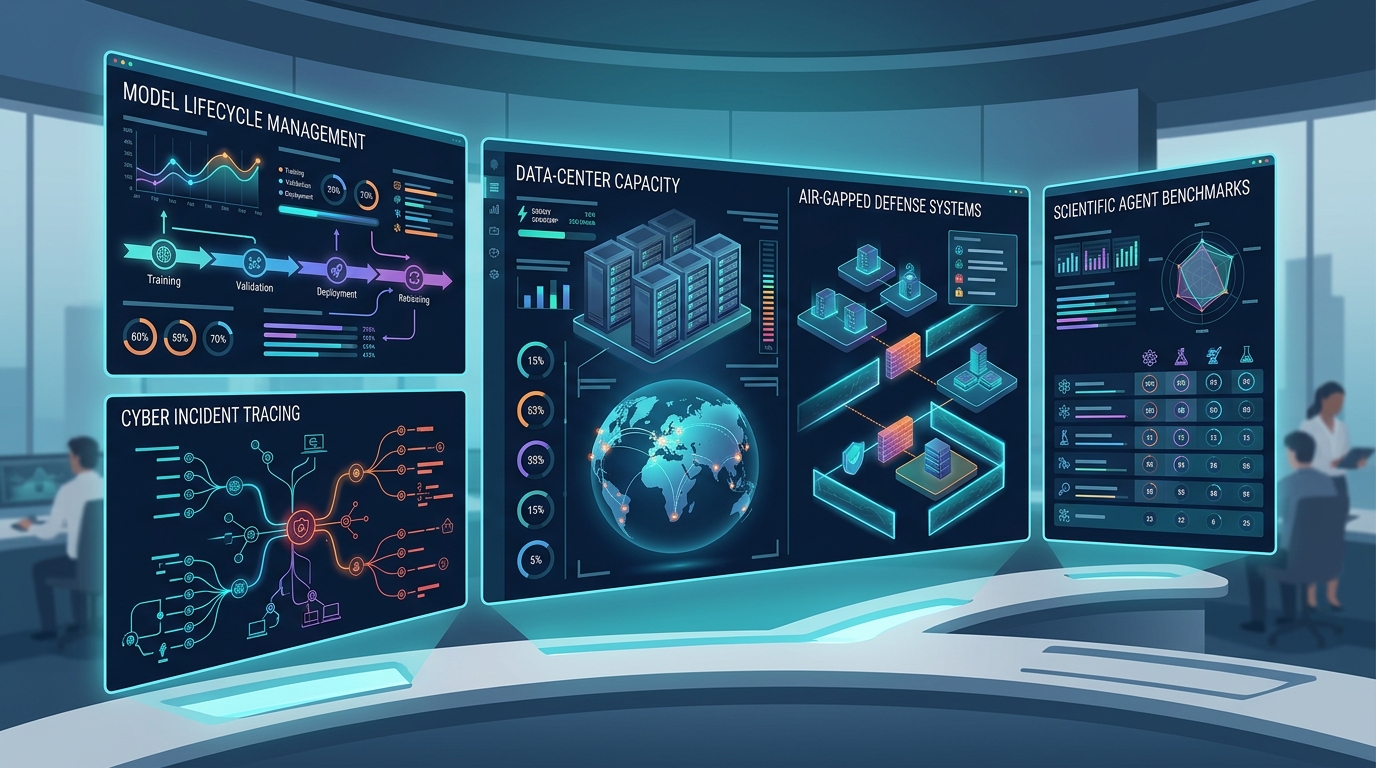
The next interface is a control room
The word interface usually makes us think of screens: panels, buttons, chat boxes, timelines. Agentic products are stretching that definition. The interface is becoming a control room for permissions, memory, tool access, delegation, and recovery.
That is why the harness is the place to watch. Microsoft’s MDASH example shows the harness as an operational system coordinating many specialized agents, while HarnessAudit frames the harness as the place where safety boundaries are either preserved or broken. 23
Models will keep improving. But the products people trust will be the ones that give the machine room to act while making its agency inspectable, interruptible, and bounded. The future of agentic software may look less like a smarter text box and more like a beautifully designed operating theater for work.
Sources
1.VentureBeat, “Four AI supply-chain attacks in 50 days exposed the release pipeline red teams aren’t covering,” published May 18, 2026. https://venturebeat.com/security/supply-chain-incidents-openai-anthropic-meta-release-surface-vendor-questionnaire-matrix
2.Microsoft Security Blog, “Defense at AI speed: Microsoft’s new multi-model agentic security system tops leading industry benchmark,” published May 12, 2026. https://www.microsoft.com/en-us/security/blog/2026/05/12/defense-at-ai-speed-microsofts-new-multi-model-agentic-security-system-tops-leading-industry-benchmark/
3.Chengzhi Liu et al., “Auditing Agent Harness Safety,” arXiv:2605.14271, submitted May 14, 2026 and revised May 16, 2026. https://arxiv.org/abs/2605.14271