XR without the theater
Immersive interfaces are most interesting when they stop trying to prove that they are immersive.
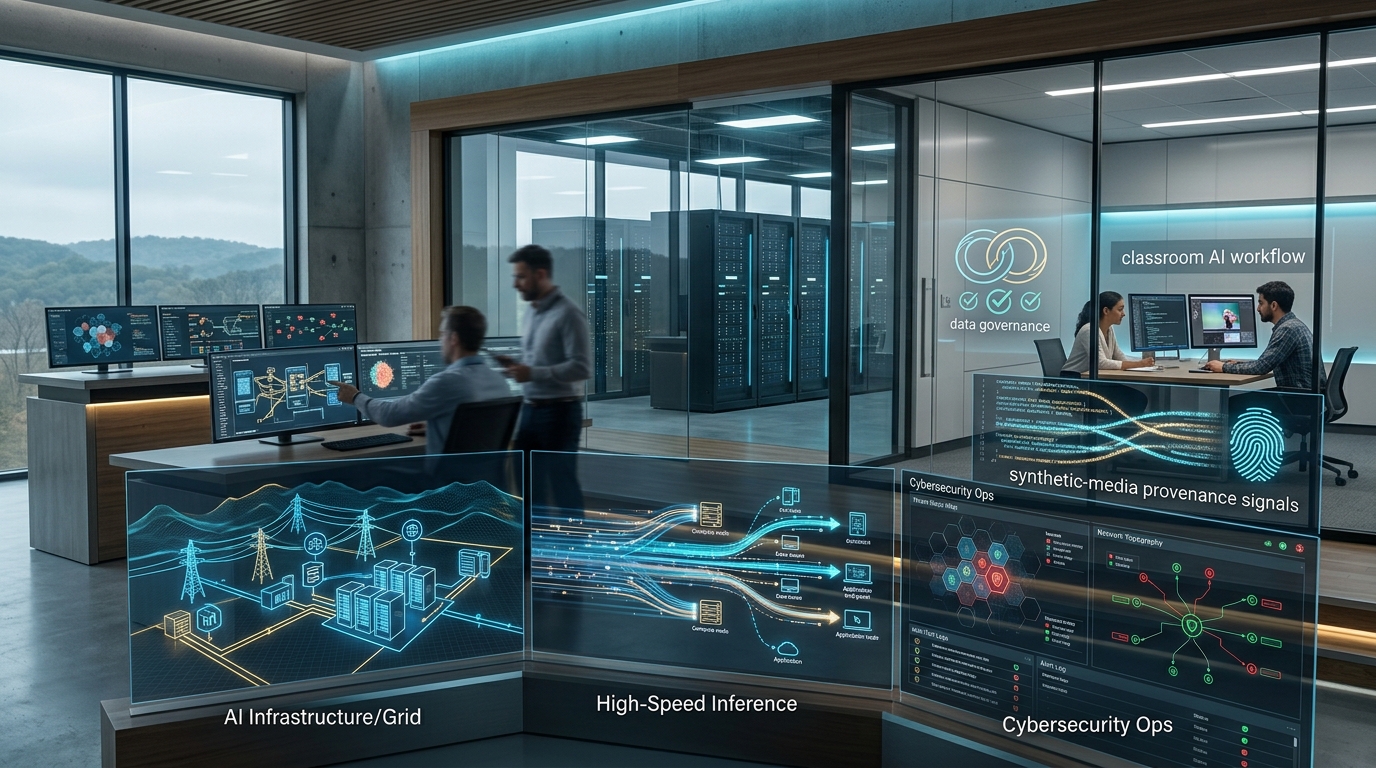
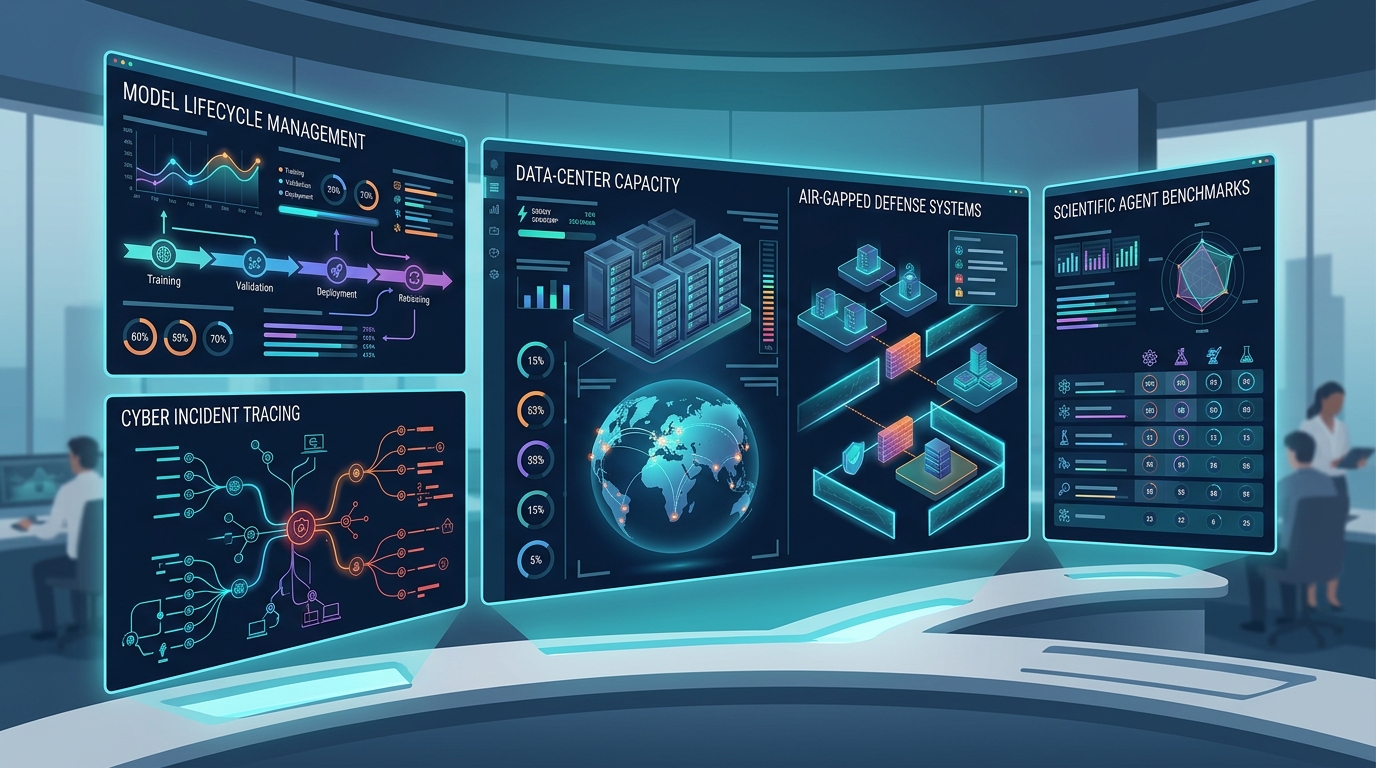
XR work has a long habit of performing its own futurism. Floating panels, dramatic portals, glowing rooms, impossible dashboards. Sometimes that is the right language. Often it gets in the way.
The more durable opportunity is quieter: spatial tools that make real tasks easier because they use depth, scale, presence, or embodied memory in a way a flat screen cannot.
Useful before cinematic
A spatial interface should earn the headset. That might mean letting someone inspect a complex object at human scale, rehearse a physical procedure, share attention in a room, or compose media with hands and distance instead of nested menus.
The best XR moments we have seen feel obvious after they work. Less spectacle, more fit.